The Festival of Lights – Diwali: A brief introduction to the famous festival
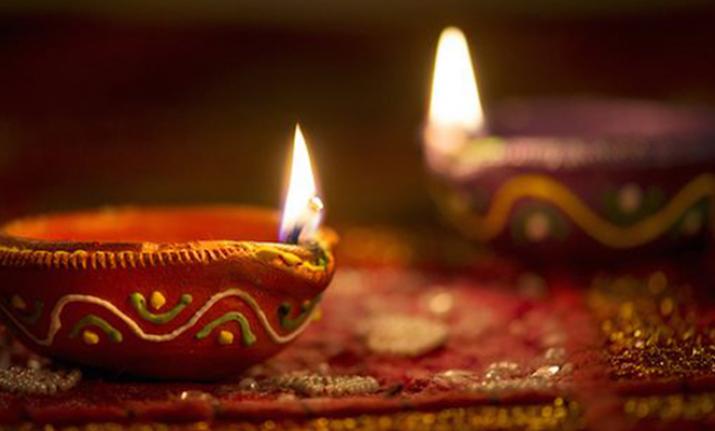
Diwali or Dipawali, as we all know, is the festival of lights. But do you know why it is named Dipawali or Diwali? The name s derived from a combination of two different words, Diya and Avali. Diya means the clay lamps that we light in our homes during this festival. Avali means rows. Hence, Dipawali signifies the rows of diyas that people light in order to commemorate the victory of good over evil.
Diwali is one of India’s most important festivals. And in a country where almost everyday other day is a special occasion, that says something about the festival of lights. Over the centuries, Diwali has become a national festival. It is celebrated all, regardless of faith. The festival is celebrated all over India, thus, different variations and interpretations of the tale of Diwali is accepted in various parts of the country.
In northern India, Diwali signifies the celebration of the legend of Lord Rama. Rama defeated Ravana on Dussehra and returned home to Ayodhya on the day of Diwali. He was invited the lighting of many clay lamps. Thus, it signifies the victory of good over evil.
In southern India, Diwali is celebrated to mark the victory of Lord Krishna over the demon Narakasura.
In western India, Diwali marks the day when Lord Vishnu, the Preserver and one of the three main gods of the holy trinity, sent demon king Bali to rule the nether realm.
The legends may differ vastly but there are two things that all three legends share. One is the presence of Lord Vishnu because both Rama and Krishna are considered to be his avatars. The second is the theme of the stories. The theme is always the joy and exhilaration of the victory of good over evil.
On this festival of lights, we wish you and your family a very happy and prosperous Diwali.