


Elections in Germany: Angela Merkel seeks fourth term as Chancellor
Millions of German people have been casting their votes in the country’s general elections that begin on Sunday.
Although the polls are tipped in favor of the current Chancellor Angela Merkel, the rise of the far-right party Alternative fur Deutschland (AfD) might just spoil the game for Merkel.
She is looking to seek a fourth term as chancellor and consolidating the status of her conservative alliance of the CDU / CSU as the largest presence in Bundestag – Germany’s parliament.
Martin Shulz, Merkel’s coalition partner, who is the leader of SPD party and a veteran of the European Parliament is her main rival.
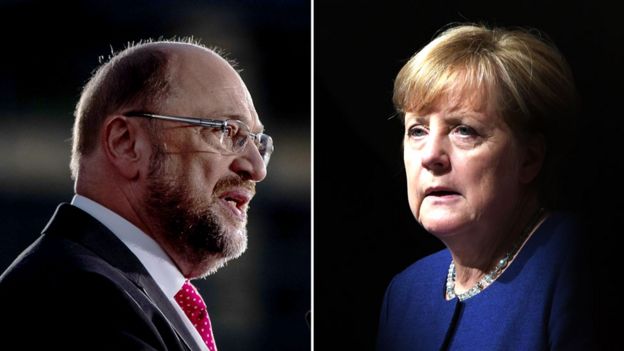
Angela Merkel is widely viewed as a symbol of power and stability. She has been leading Germany from 2005. While she is trusted stability loving Germans for standing up to the impulsive leaders of USA, Russia, and Turkey, she had come under the radar for accepting a million asylum seekers during the height of the European refugee crisis. She defended her decision on humanitarian grounds but pledged to prevent a repeat of that crisis.
This election is very important because, for the first time since World War II, Bundestag might see six different political parties.
This year’s election will possibly see the comeback of the pro-business Free Democratic Party, a potential coalition partner in Merkel’s next cabinet, who dropped below the 5% threshold for parliamentary seats in 2013.
The anti-immigrant populist party of AfD, according to surveys will be taking a 10%-13% of the seats in the parliament. This will mark the entry of a far-right political party in the parliament for the first time in over sixty years.
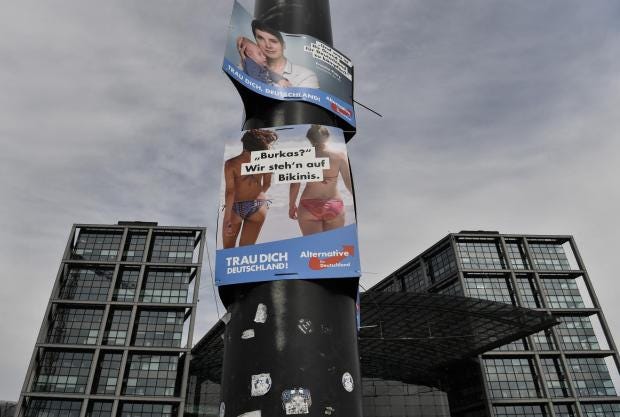
This surge of AfD in polls have led to leading politicians urging for people to come out and vote. Germany’s president Frank-Walter Steinmeier wrote in an article for Bild am Sonntag, “Those who don’t vote let others decide the future of the country.” He also added, “Perhaps it has never been so noticeable that elections are also about the future and democracy of Europe.”
Merkel while speaking on MDR Radio told, “My request to everyone is that they vote, and vote for those parties that adhere 100 percent to our constitution.”
Around 61.5 million Germans are eligible to vote this year. In 2013 around 27% of the voters did not cast their vote, this percentage expected to rise to about 33% this year.

A dreamer who understands the power of words and tries best to produce content with utmost responsibility and conviction, so that it serves its every purpose for everyone.


