

Mannerism – The Artistic Style of the High Renaissance
Mannerism is an artistic style that predominated in Italy from the end of the High Renaissance in the 1520s to the beginnings of the Baroque style around 1590. The Mannerist style originated in Florence and Rome. It spread to northern Italy and, ultimately, to much of central and northern Europe. The term was first used around the end of the 18th century. It was implemented the Italian archaeologist Luigi Lanzi. It was used to define 16th-century artists who were the followers of major Renaissance masters.
Mannerism originated as a reaction to the harmonious classicism and the idealized naturalism of High Renaissance art. This form was practised Leonardo, Michelangelo, and Raphael in the first two decades of the 16th century.
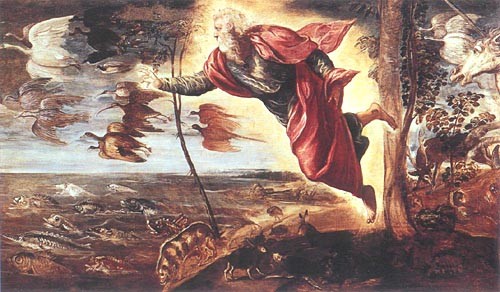
Mannerist artists evolved a style that is characterized artificiality and artiness, a thoroughly self-conscious cultivation of elegance and technical facility, and a sophisticated indulgence in the bizarre.
Mannerism retained a high level of international popularity until the paintings of Annibale Carracci and of Caravaggio around 1600 brought the problematic style to an end. This ushered in the long ascendancy of the Baroque. Mannerism was for long afterwards looked down upon. It was seen as a decadent and anarchic style that simply marked a degeneration of High Renaissance artistic production. But in the 20th century, the style came to be appreciated anew for its technical bravura, elegance, and polish. Mannerism’s spiritual intensity, its complex and intellectual aestheticism, its experimentation in form, and the persistent psychological anxiety manifested in it made the style attractive and interesting to the modern temperament, which saw affinities between it and modern expressionist tendencies in art.
Mannerism in the modern age would help to combine the classic and the post-modern aspects of art. This will he;p to tackle a very predominant problem in society that is, the absence of ideas. Whenever there has come a time, be it renaissance, restoration, romantic or Jacobean period, artists have turned to the classics to seek inspiration.


