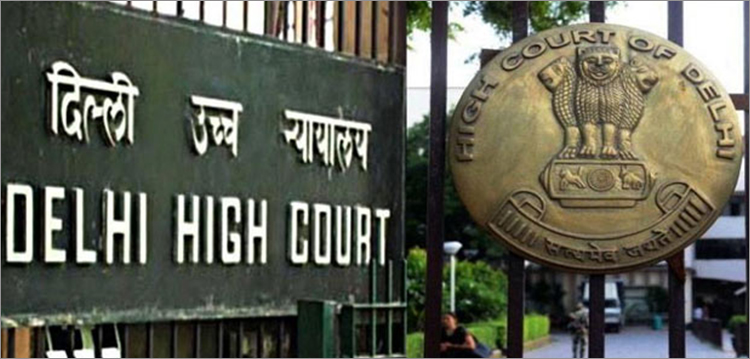
Decriminalization of Begging Delhi High Court
Decriminalization of begging. According to the Bombay Prevention of Begging Act, 1959, which is there to criminalize the begging. The provision not only criminalizes the begging in the Mumbai but also in various metropolitan cities such as Delhi. Though the amendment process, this act was extended to Delhi the central government in 1960. Simply, it made begging a punishable offence.

On the first conviction, the law prescribes the detention of 3 years in beggar homes for begging. But in subsequent conviction, the person can be detained for upto 10 years for begging. Also, not only this act but several states and UTs enacted their own legislation or just adopted the other state’s legislation.
Decriminalization of Begging
The bench of Acting Chief Justice Gita Mittal and Justice C. Harishankar noted several things. It is a state whose duty is to provide a dignified life to its citizens. Also, detention creates a problem not only for the members of the begging community but also instability in the name of starvation. Bench declared the act as “unconstitutional” because of lack of distinction of types of begging: voluntary or forced. So, decriminalization of begging.

The central government said, “Begging should not be a crime if it is done because of poverty”. So, there is a need to reduce the provision that allows arrest without a warrant. Also, there is a need to recognize the reason behind the begging.

Why The Need
Most importantly, the act violates the fundamental rights of the citizens “Right to Life”. Besides, it takes the right to beg to survive. Shortly and surely, the government will amend or make the counter provision to exclude begging from detention. 74% of persons arrested for begging were from the informal labour sector such as those employed in small places like the staff at the shop, cart puller, and construction. 45% of them were homeless and had nothing to eat. At last, decriminalization of begging.